How Much Does It Cost to Install an Outdoor Light on Long Island?

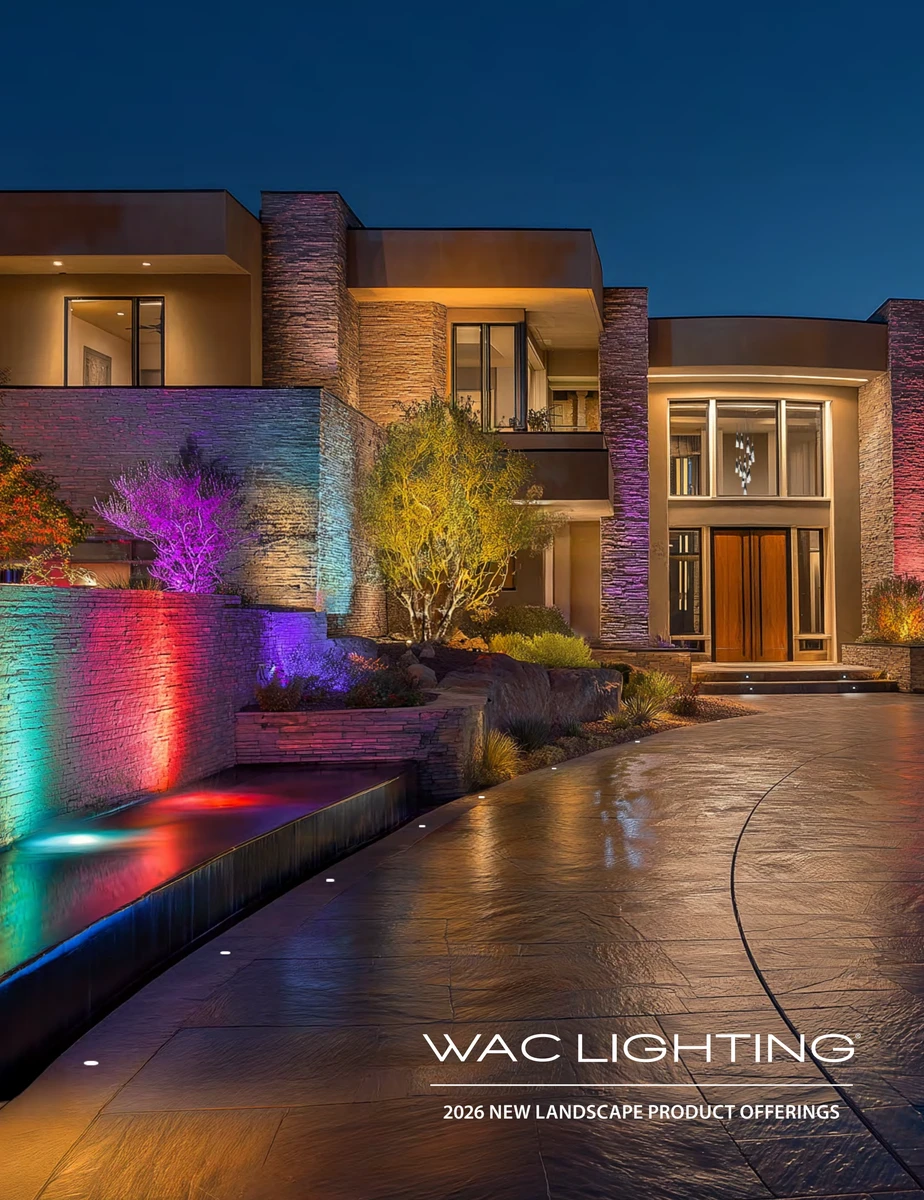
Thoughtful outdoor lighting ideas, project highlights, and practical guidance for Long Island homes.
How Much Does It Cost to Install an Outdoor Light on Long Island?
If you only read one paragraph: simple fixture swaps are the least expensive, new runs with wiring and trenching cost more, and complete low-voltage landscape systems sit higher because they include transformers, buried cable, and multiple fixtures. On Long Island—especially in Huntington, Nassau County, and Suffolk County—salt air, code requirements, and property layouts all influence price. Rather than promise an exact dollar amount, we’ll explain the factors that move a quote up or down so you can plan a realistic budget.
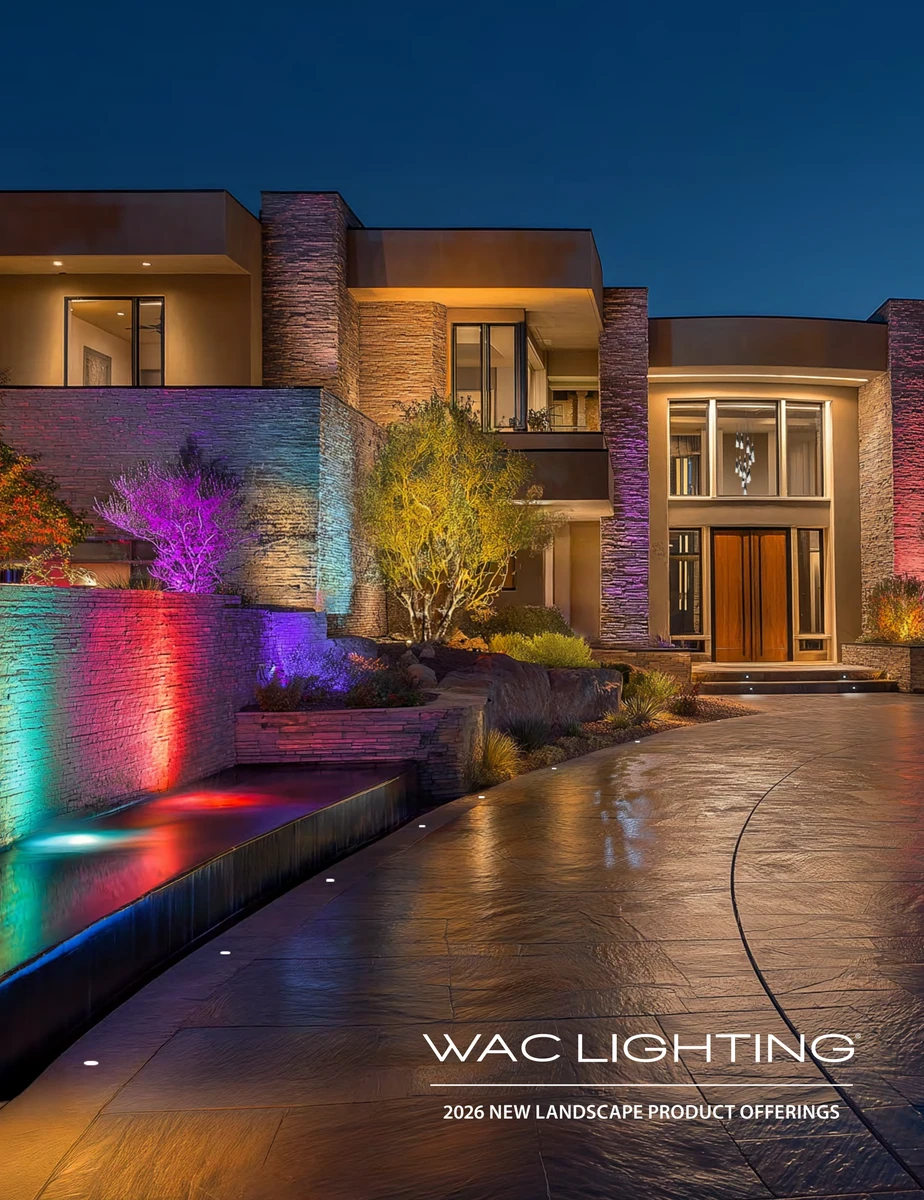
Quick Answers and Typical Ranges (Context, Not a Quote)
- Simple fixture replacement: Often the lowest-cost scenario; typically a licensed electrician visit and a short ladder job.
- New wall light installation: Adds wiring, box, and possibly a new switch or GFCI-protected circuit—more labor than a swap.
- Flood/security light installation: Height, aiming, and weatherproof boxes matter; costs rise with lift access or masonry work.
- Pathway or landscape lighting: Low-voltage runs with multiple fixtures, buried cable, and a transformer—usually a four-figure project when done with quality fixtures.
- Trenching & buried wiring: Depth, soil/rock, root and utility avoidance, and restoration all add time.
- Transformers & smart controls: Proper sizing, enclosure, and programming add parts and labor.
Every home is different. The safest way to avoid surprises is a site visit plus a design/installation quote rather than per-fixture guessing.
What Changes the Price?
- Scope of work — swap vs. new circuit vs. whole-system design.
- Access and surfaces — siding vs. brick vs. stone; mulch vs. asphalt vs. pavers.
- Wiring path — attic/basement access, conduit runs, voltage drop, and zoning.
- Trenching depth and length — longer runs or rocky soil increase labor.
- Fixture quality — brass or marine-grade aluminum, sealed optics, and high-CRI LEDs cost more but last longer.
- Controls — basic photocells/timers vs. smart mesh systems (Lightcloud Blue, Luxor, Colorscaping).
- Permits and inspections — line-voltage additions may require permits; low-voltage usually does not but must still follow best practices.
Scenario-by-Scenario Guidance
1) Simple Fixture Replacement
Replacing an existing wall sconce or porch light on a working circuit is the most straightforward. Costs stay lower because wiring, box, and switch already exist. On coastal Long Island, we still choose sealed, marine-grade fixtures so finishes don’t fail early.
2) New Wall Light Installation
If there’s no box, we add one, run cable to a switch or existing circuit, and ensure GFCI/AFCI protection. Expect additional time for siding/brick drilling, sealing, and interior patching where we access the wall cavity.
3) Flood or Security Light
Mounting height, aiming, and weather exposure matter. Masonry anchors, soffit work, or lift access can increase labor. We specify wide or adjustable beams to avoid glare onto neighbors while covering driveways and yards—see our spotlights & flood lights guide.
4) Pathway Lights
Path lights usually need new low-voltage cable, careful spacing, and trenching (often 6–12 inches for protection and clean looks). If you only add a few fixtures, a small transformer might work; larger paths benefit from heavier-gauge cable to control voltage drop. Explore design tips in walkway lighting.
5) Low-Voltage Landscape Lighting Systems
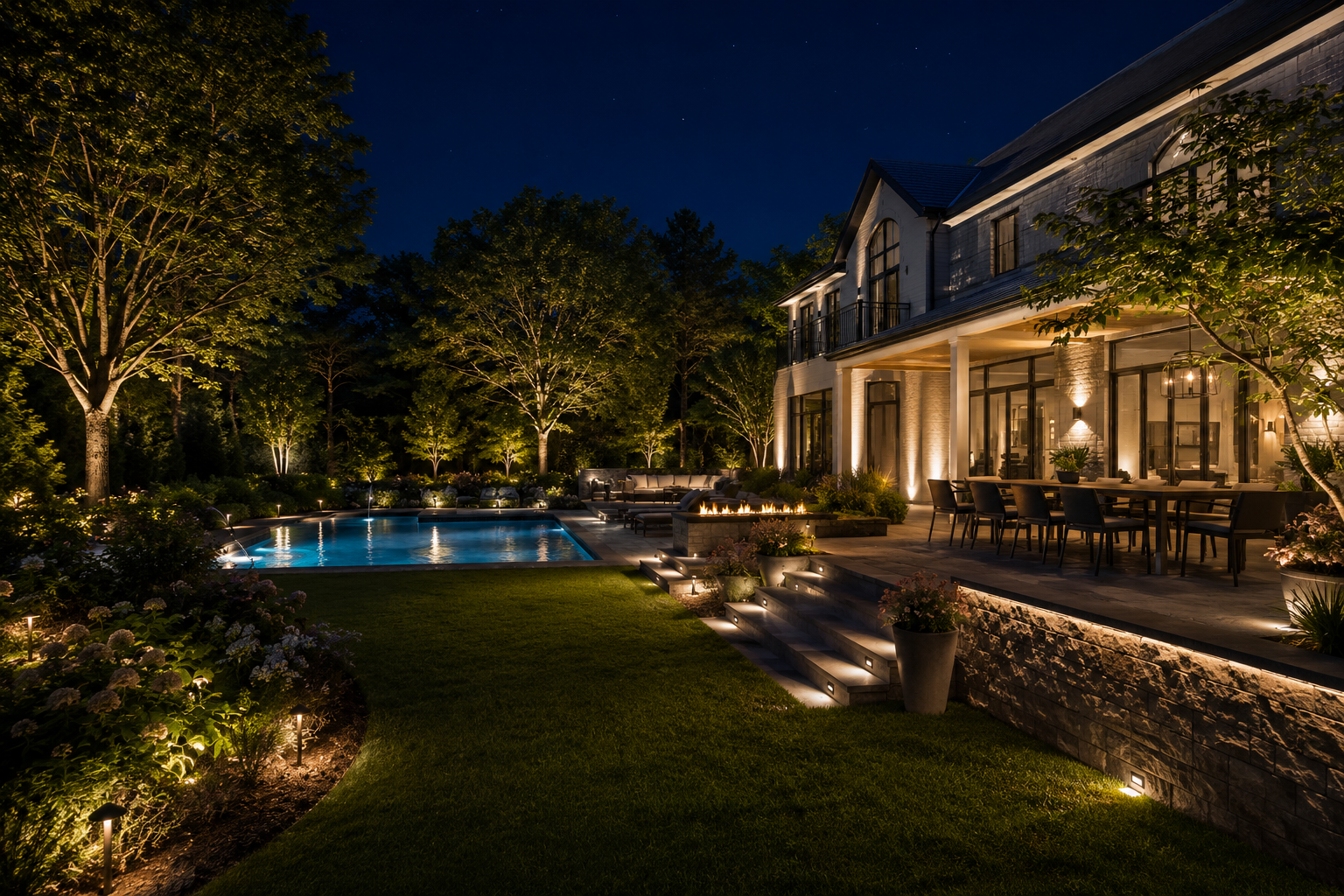
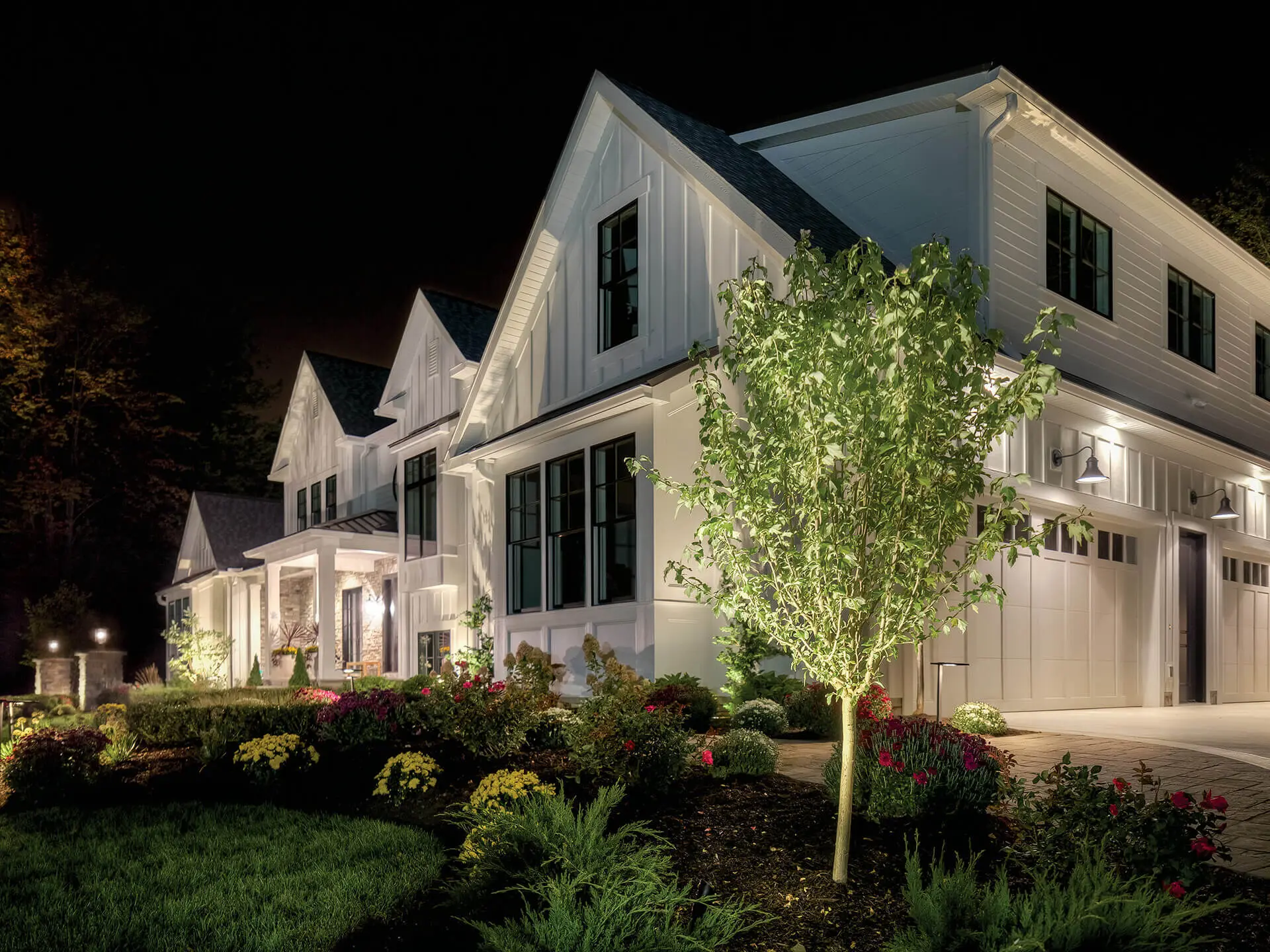
Complete systems include a transformer, main runs, and multiple fixture types—uplights, paths, wells, and hardscape lights—tailored to trees, facades, and patios. Expect higher material and labor because every run is designed for load balancing and long-term serviceability. See our overall landscape lighting page for how we plan these.
6) Trenching and Buried Wiring
Trenching protects cable and keeps the yard clean. Pricing rises with:
- Rocky soil or dense roots
- Longer runs to outbuildings, docks, or detached garages
- Crossing driveways or walkways (sleeving or saw cuts)
- Restoration of turf, beds, or hardscape
7) Transformer Installation and Sizing
Low-voltage systems need a correctly sized transformer—often with multiple taps for voltage balance. Outdoor-rated enclosures, GFCI protection, and proper mounting are essential. Undersizing shortens fixture life; oversizing wastes budget. Transformers also set you up for phasing future zones.
8) Smart Controls and Timers
Basic photocells and astronomic timers are inexpensive. Smart platforms (FX Luxor, WAC Colorscaping, RAB Lightcloud Blue) add app control, zoning, color, and dimming—great for patios and event lighting but they add hardware and commissioning time.
9) Premium vs. Budget Fixtures
Premium brass or marine-grade aluminum fixtures from suppliers like Sterling, WAC, Kichler, FX Luminaire, RAB, and Lumien resist corrosion, hold finishes, and keep beam quality. Budget fixtures can lower upfront cost but may fade, leak, or shift color temperature faster—raising long-term cost.
10) Why a Design/Install Quote Beats Per-Fixture Math
Per-fixture averages ignore wiring complexity, voltage drop, controls, and access. A field walk lets us map loads, beam spreads, and transformer locations so your system is balanced, safe, and expandable without surprise add-ons.
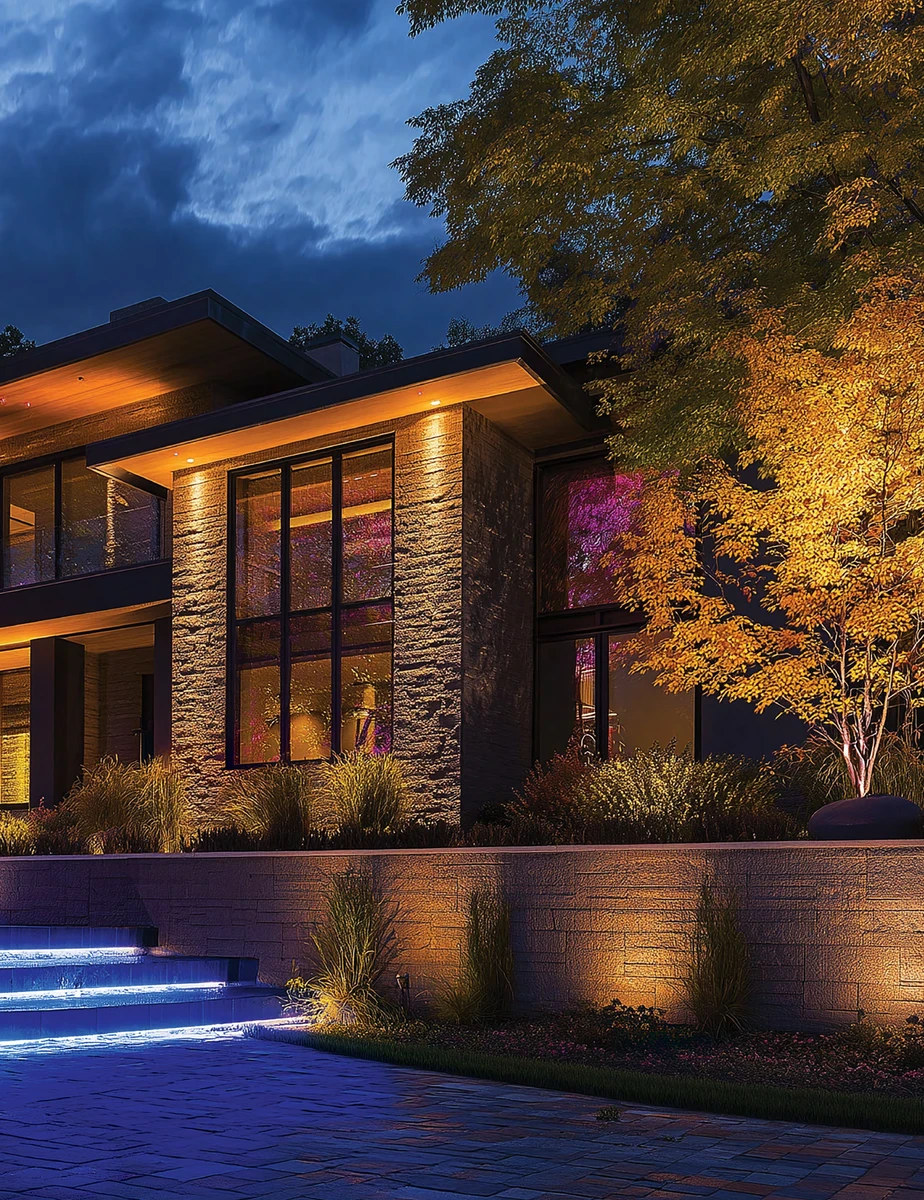
Fixture Brands Can Affect the Final Cost
We specify fixtures from the suppliers we trust for Long Island conditions:
- Sterling Lighting — premium brass, high CRI, tight beam control.
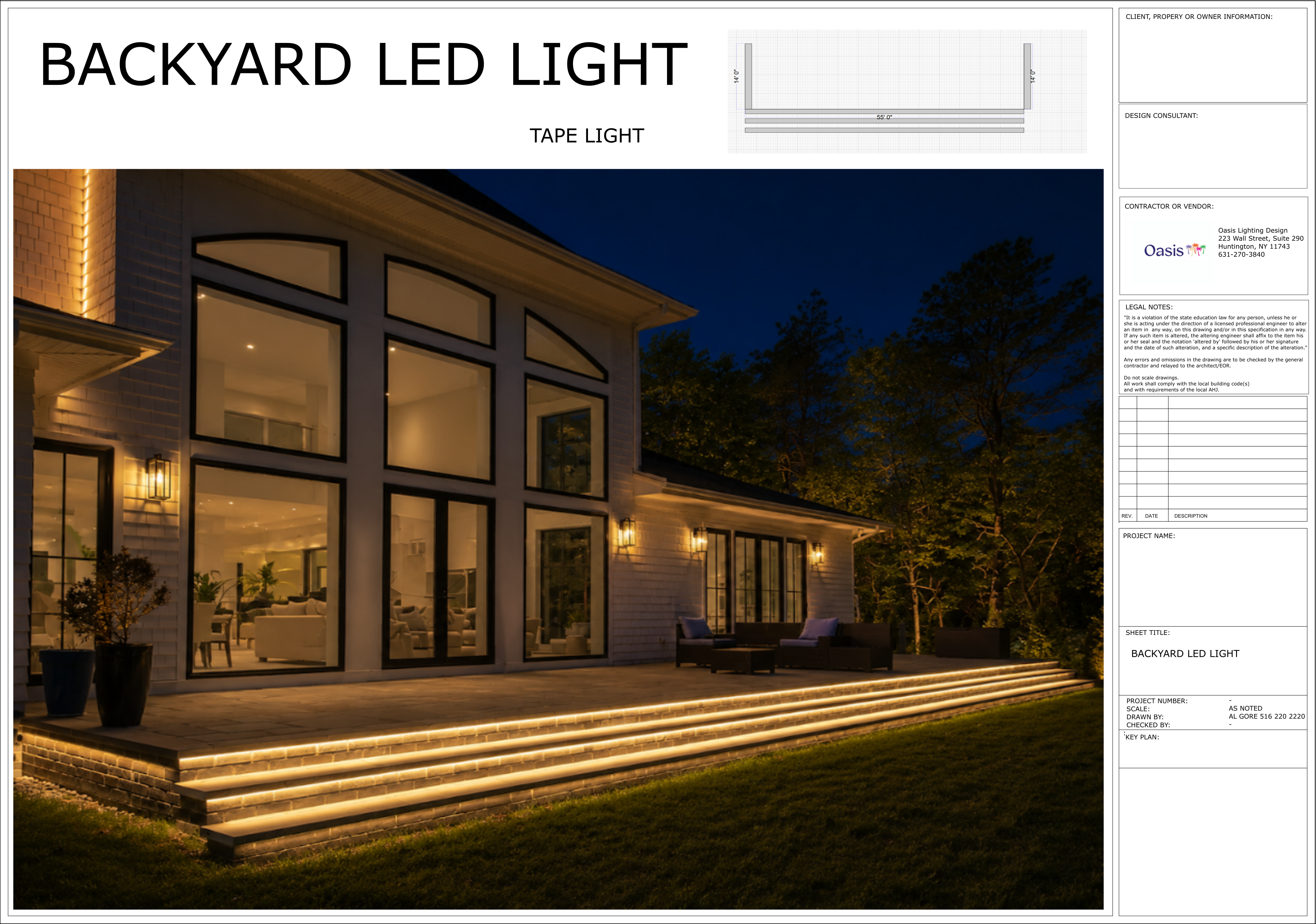
- WAC Lighting — colorscaping, path/bollard, wall wash, tape, and deck/step lines.
- Kichler Lighting — broad 12V landscape catalog with solid value.
- FX Luminaire — Luxor zoning/dimming/color for scene control.
- RAB Lighting — durable floods and mesh controls for security and wide washes.
- Lumien Lighting — brass and aluminum mixes for balanced budgets.
Better housings, sealed optics, and higher-quality LEDs cost more upfront but resist salt air, keep finishes intact, and maintain beam patterns—reducing replacements and service calls over time. Browse all brands on our Supplier Hub.
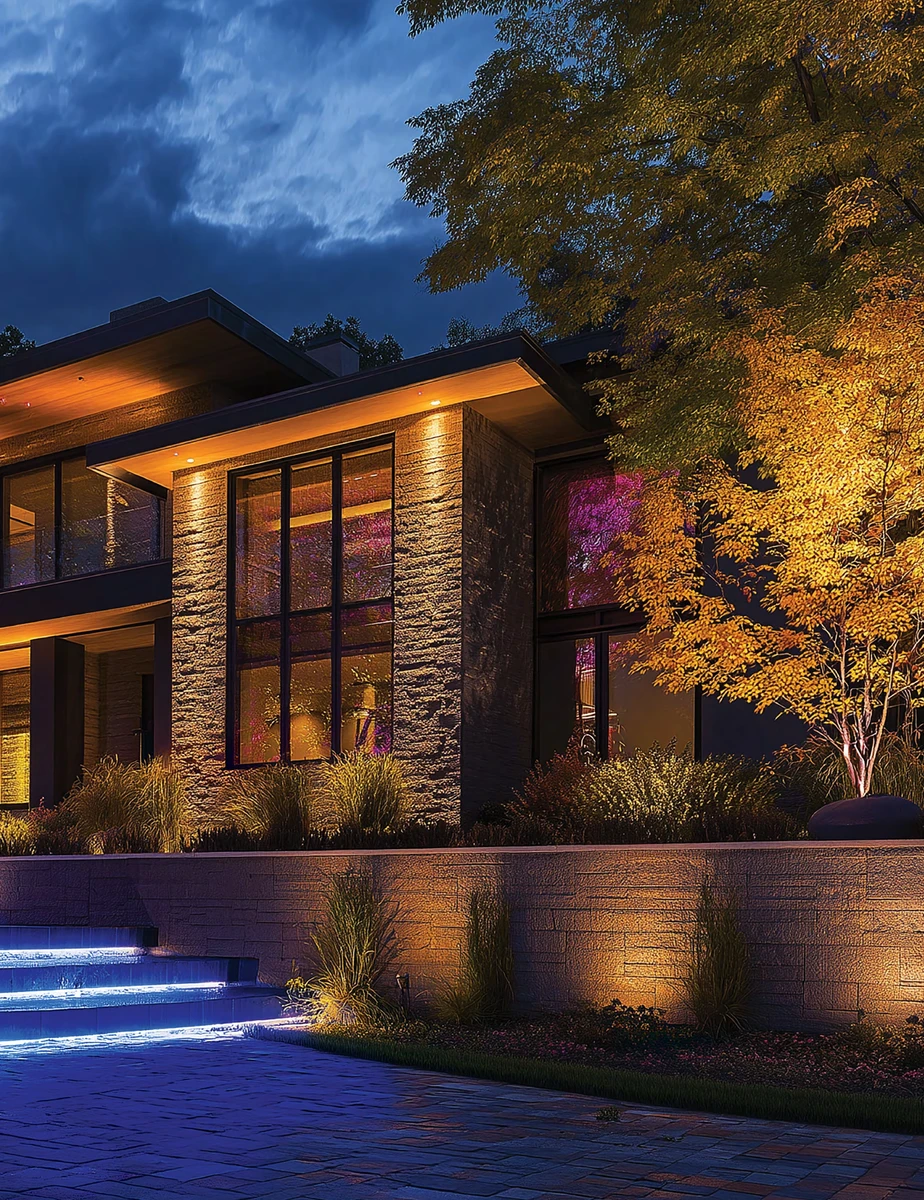
Putting Numbers in Context (Not a Quote)
- Fixture swap: often the least expensive; travel + labor for a licensed electrician.
- New wall or flood light: add wiring, box, sealing, and possibly lift work.
- Small low-voltage path run (handful of fixtures): typically a four-figure investment with quality fixtures and buried cable.
- Full-property low-voltage design (paths, trees, facades, hardscape): a larger investment reflecting multiple zones, transformers, and trenching.
Every property, panel, and soil condition is unique. A quick on-site look keeps expectations realistic and avoids change orders.
FAQs
Ready for a Specific Number?
- Review our landscape lighting overview.
- See application guides: walkway lighting, spotlights & flood lights, well lights, and hardscape lighting.
- Explore the brands we install on the Supplier Hub.
- When you’re ready, contact us to schedule a site walk. We serve Huntington, Nassau County, and Suffolk County with design-first, code-compliant installs.
We’ll map wiring, trenching, transformer sizing, and fixtures so you get a clear, buildable quote—no guesswork, no surprises.