What Are Smart Lighting Controls?
Smart controls combine timers, photocells, app-based scheduling, and zoning into a single management approach.
They improve convenience while helping keep scene balance consistent across the property.
Fixture Type Guide
Automate schedules, manage zones, and fine-tune nighttime scenes with app control, voice routines, and Luxor programming for Long Island homes.
Smart controls are increasingly popular for Long Island homeowners who want seasonal scheduling, remote access, and cleaner nighttime energy management.
Example fixture images from our current catalog that commonly support this fixture type and design approach.
Smart controls combine timers, photocells, app-based scheduling, and zoning into a single management approach.
They improve convenience while helping keep scene balance consistent across the property.
Automated schedules can be tuned for sunset shifts, seasonal entertaining, and occupancy patterns.
This is useful for Long Island homes where daylight windows change significantly across the year.
Separate zones for facade, pathways, patio, and landscape accents enable more precise control and energy use.
Smart zoning also simplifies service diagnostics when performance issues arise.
Wi-Fi control, Alexa/Google routines, and Luxor app scenes are paired with transformer programming and surge protection to handle coastal Suffolk and Nassau County weather.
We document zone maps, astronomical timer offsets, and RGBW scene notes so maintenance and future upgrades stay predictable.
Smart controls and landscape lighting automation are specified in professional outdoor lighting plans for app scheduling, zone dimming, seasonal automation, remote adjustments, and scene-based control for entertaining. On Long Island projects, they are rarely chosen in isolation. They are selected as part of a complete system that balances architecture, landscape texture, circulation, and nighttime comfort.
For Nassau and Suffolk County homes, design decisions are driven by property layout, setbacks, mature planting, weather exposure, and how homeowners actually use the property after dark. This is why fixture selection should always be tied to function, viewing angle, and long-term serviceability.
Typical applications include app scheduling, zone dimming, seasonal automation, remote adjustments, and scene-based control for entertaining. In higher-end residential work, each application is treated as a distinct visual layer so the finished scene feels intentional rather than uniformly bright.
Long Island homes often combine traditional architecture, dense shrubs, and irregular grade transitions. Designers therefore sequence applications by priority: safety and navigation first, architectural composition second, and ornamental enhancement third.
Placement starts with nighttime walkthroughs and key sightlines from street approach, front entry, patio seating, and pool access points. For this fixture type, the practical rule is: controls should be integrated with transformer planning and zone priorities so operation matches how the property is used.
A strong layout avoids over-concentration in one zone. Instead, placement should create a readable nighttime path and a balanced hierarchy between focal accents and broader ambient layers.
Spacing should not be copied from a fixed internet formula. For this fixture type, the recommended method is to control spacing is replaced by thoughtful zoning strategy, separating facades, pathways, patios, and accent layers.
On-site mock placement before final trenching or mounting consistently produces better outcomes than paper-only planning. This is especially true on Long Island properties with curved walks, mature root systems, and mixed hardscape materials.
Color temperature directly affects material tone, curb appeal, and nighttime comfort. For this fixture type, the target range is smart systems help maintain color consistency by coordinating schedules and preventing mismatched scene timing.
Consistency across zones matters as much as the chosen Kelvin value. Mixing dissimilar tones across connected areas often makes premium properties look patchy and less refined.
Output planning should prioritize effect and comfort, not maximum brightness. For this category, a reliable guideline is controls can tune perceived brightness by zone even when fixture output is fixed, improving comfort and energy use.
In professional systems, designers tune output with fixture selection, lensing, aiming, and spacing together. This layered approach reduces glare and preserves nighttime depth.
beam angle remains an optical decision, but smart zoning helps coordinate which beams are active in each scene. Beam angle should always be matched to target size, throw distance, and viewer position.
Where beam angle is not the primary variable, optical control still matters through shielding, cutoff strategy, and scene zoning. The objective is predictable light distribution without visual noise.
hardware reliability and weather-protected enclosures are essential for long-term outdoor control stability. Material choice should be evaluated against environment, service interval expectations, and lifecycle cost rather than upfront hardware cost alone.
In coastal and high-moisture Long Island conditions, corrosion resistance and seal quality are often more important than initial appearance. Fixtures that maintain alignment and finish quality tend to preserve curb appeal over time.
firmware checks, schedule review, seasonal scene updates, and verification after utility or network changes. Preventive maintenance protects both performance and appearance, especially where irrigation, leaf drop, and winter weather affect components.
A documented maintenance schedule also makes troubleshooting faster and reduces costly guesswork when homeowners expand or modify their lighting plan.
overcomplicating automation, poor zone naming, and no fallback plan for manual operation. Another frequent issue is choosing fixture count before defining the visual objective for each zone.
DIY layouts also often skip nighttime aiming and post-install refinement. Professional adjustments after dark are usually the difference between a passable system and a polished one.
build simple default scenes first, then add advanced automations after real-world use patterns are understood. Designers should also map service access so every critical component can be maintained without invasive rework.
For higher-end Long Island properties, the most reliable strategy is layered design: circulation lighting, architectural emphasis, and landscape depth working together with consistent color and controlled output.
Long Island projects frequently include narrow side yards, long front setbacks, mature evergreen screening, and mixed masonry surfaces. For smart controls and landscape lighting automation, design should account for salt exposure, irrigation habits, and seasonal foliage changes that affect beam paths and perceived brightness.
In Suffolk County estates and Nassau infill lots alike, the strongest outcomes come from scenario-based planning: arrival sequence, entertaining sequence, and late-night safety sequence. Each scenario should be evaluated independently so the same fixture layer performs well in everyday use and special events.
Final installation cost is influenced by more than fixture count. Wire routing, transformer headroom, trenching difficulty, mounting method, and service-access planning all affect scope. With smart controls and landscape lighting automation, clean planning up front usually prevents expensive revisions later.
Professional proposals typically include fixture intent, zone strategy, and expansion paths so homeowners can phase improvements without redoing core infrastructure. This planning-first approach is especially important for Long Island properties where mature landscapes and finished hardscape limit easy rework.
Many modern control systems support mobile apps for scheduling and zone management.
Often yes, especially when transformers and wiring are in good shape. We re-balance circuits and add Luxor or other controllers to enable zoning, dimming, and astronomical timers.
Yes. We configure scenes and dimming levels so common voice commands trigger the right zones on Long Island projects.
Start with function and viewing angles, then choose materials, optics, and output that support those goals. A design consultation helps align fixture style with architecture and landscape context.
In many Long Island installations, brass can improve long-term durability and finish stability, especially in exposed or coastal environments.
smart systems help maintain color consistency by coordinating schedules and preventing mismatched scene timing
Use controlled optics, proper aiming, and tested nighttime sightlines from common viewing positions such as entry doors, patios, and windows.
control spacing is replaced by thoughtful zoning strategy, separating facades, pathways, patios, and accent layers
firmware checks, schedule review, seasonal scene updates, and verification after utility or network changes
overcomplicating automation, poor zone naming, and no fallback plan for manual operation
Usually yes, but compatibility depends on circuit capacity, voltage planning, and whether existing controls can support the revised layout.
They balance fixture count, optics, aiming, and scene hierarchy, then refine in live nighttime conditions rather than finalizing from daytime assumptions.
The core lighting principles stay the same, but lot size, architectural style, and landscape density often differ, so spacing, optics, and zoning should be site-specific.
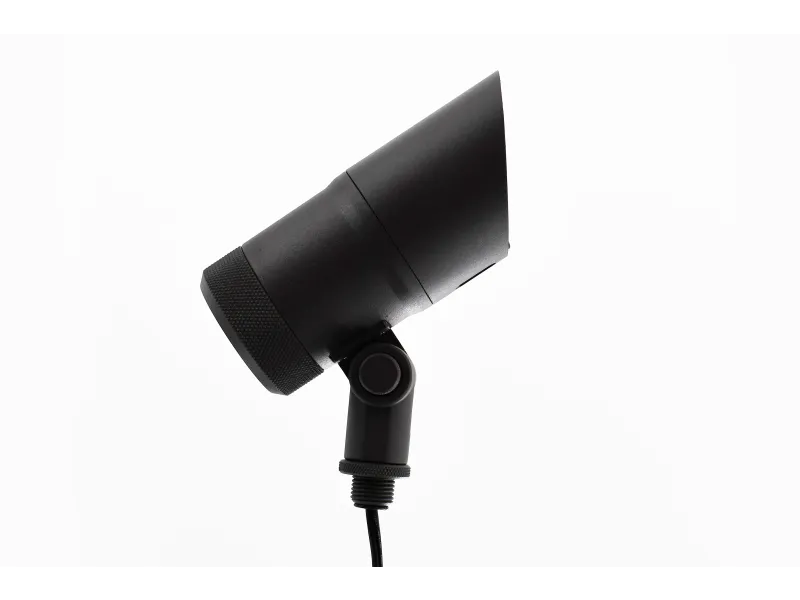
Lumien
Spotlights
$$
Ask About This Fixture
WAC Lighting
Specialty Fixtures
$$$
Ask About This Fixture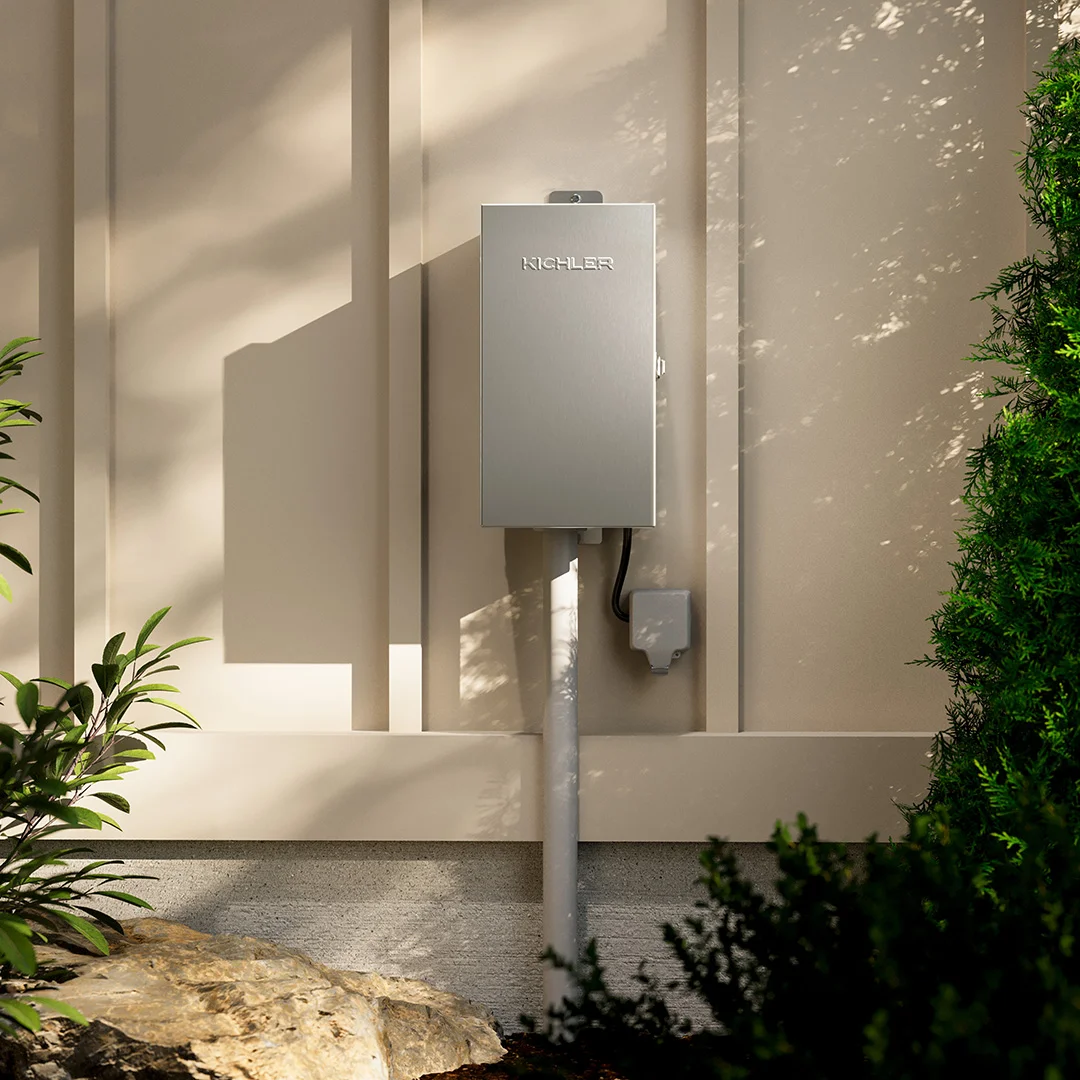
Kichler Lighting
Specialty Fixtures
$$$
Ask About This FixtureNeed Help Choosing Fixtures?
We help homeowners across Long Island compare fixture styles, materials, beam control, and placement without relying on one-size-fits-all assumptions.
Ready to upgrade your outdoor lighting?
Oasis Lighting Design delivers custom low-voltage landscape lighting across Huntington and Long Island, with consultation, design, installation, and ongoing service. Oasis Lighting Design is a Long Island outdoor lighting and landscape lighting company.
Premium Lighting Partners
See the brands we trust for FX Luminaire, Kichler, WAC, RAB, Sterling, and more.
From premium outdoor luminaires to smart accessories, these suppliers help us deliver reliable, high-performing custom outdoor lighting across the Island.
Pricing Guide
Review our pricing guide for design, installation, and upgrade packages.