Sports Court Lighting Installation

Sports Court Lighting Installation Process on Long Island

Oasis Lighting Design sports court lighting installation process for Long Island courts and fields. Learn what is involved in sports lighting installation, including site walkthrough, layout design, trenching, conduit, pole installation, fixture mounting, wiring, switching, nighttime aiming, and local installation conditions.

See how Oasis installs sports court lighting poles, fixtures, wiring, and controls on Long Island properties.
Understand what happens from site walkthrough through nighttime aiming and final adjustment.
Use this page to compare real installation scope before pricing or scheduling work.
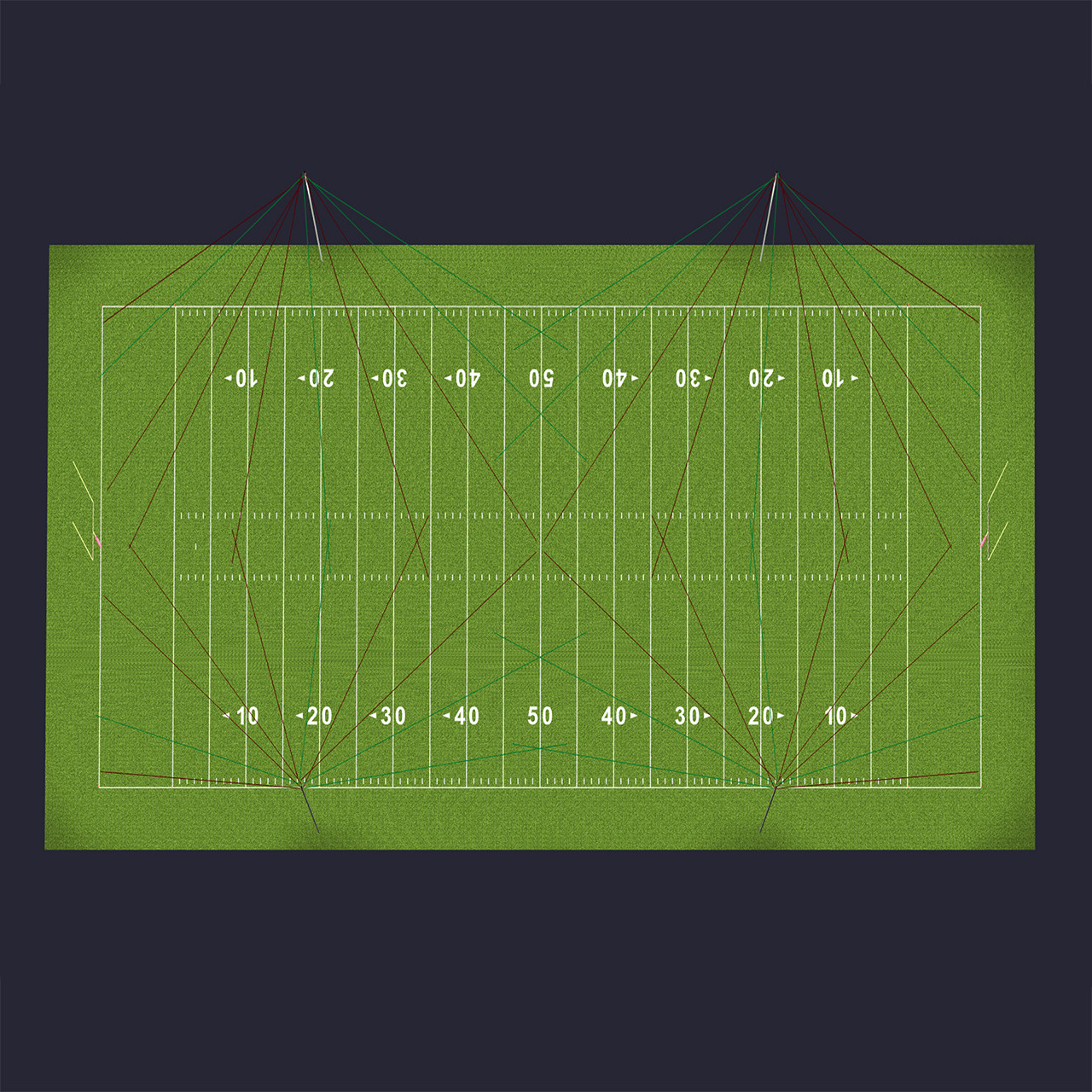
Sports court lighting installation process on Long Island with pole and fixture setup

Project scope

What is involved in installing sports court lighting

Sports court lighting installation is a coordinated process, not a single-day fixture swap. The work usually includes planning, electrical routing, pole placement, structural mounting, control setup, and nighttime aiming so the finished system actually performs for play.
That is why most projects start with the broader sports court lighting hub and then move into more detailed layout and installation decisions once the court type and property conditions are clear.

Oasis process

Site walkthrough

The first step is a site walkthrough. We look at the court or field size, the position of the play surface on the lot, likely pole locations, access to power, and how the surrounding property behaves after dark.
This early review helps determine whether the job behaves like a compact residential court, a larger tennis installation, or a broader recreational layout with different coverage and structural needs.

Oasis process

Layout design

Layout design covers pole count, mounting height, fixture direction, service access, and how the lighting should behave during actual play. This phase connects closely to our pole height and layout guide because geometry and performance need to be solved before installation begins.
Homeowners comparing options for a smaller court often also review the dedicated pickleball and tennis pages to understand why those layouts differ.

Oasis process

Trenching and conduit

Once the plan is set, trenching and conduit work create the electrical path for the poles and fixtures. This part of the installation has to respect existing landscape, hardscape, utilities, drainage patterns, and future service access.
The electrical route is also one of the main reasons installation scope affects price, which is covered more directly on the sports court lighting cost page.

Oasis process

Pole installation

Pole installation has to match the layout, the mounting method, and the realities of the site. Once the poles are set, they influence coverage, glare, and the visual scale of the system, so accuracy here matters.
A rushed pole install can create downstream problems that are expensive to fix later, especially if the electrical path, aiming window, or setback conditions were not accounted for properly.

Oasis process

Fixture mounting

Fixture mounting is where the hardware package starts to become a lighting system. Mounting angle, bracket position, and grouping all affect what can be achieved during final aiming and how balanced the court feels at night.
This is one reason premium installations often perform better even when the fixture count looks similar on paper. The mounting and adjustment discipline is different.

Oasis process

Wiring and switching

Wiring and switching turn the physical installation into a usable system. Controls, zones, timed shutoff, and service access all need to be practical for the owner, not just technically functional.
For residential courts, that often means balancing full-play operation with neighborhood sensitivity and how the rest of the property is used after dark.

Oasis process

Nighttime aiming and adjustments

Nighttime aiming is one of the most important steps in the process because it determines whether the court is actually comfortable to play under. Beam direction, balance, glare control, and spill all need to be checked after dark, not guessed during the day.
This is where a professionally installed system separates itself from a generic floodlight setup that may seem bright enough but performs poorly in real play conditions.

Long Island conditions

Soil conditions, coastal wind, and utilities

Long Island installation work often has to account for varied soil conditions, utility routing challenges, coastal wind exposure, and the way moisture moves through a property over time. These issues affect trenching, pole stability, hardware choice, and the practical sequencing of the job.
Near the coast, wind and corrosion considerations also influence hardware durability and how the system should be detailed for long-term service.

Use case

Residential vs large court installs

Residential court installations usually move within tighter lot constraints, more visible neighbor relationships, and more refined aesthetic expectations. Larger courts and fields often bring broader coverage needs, more structural scope, and different control priorities.
The installation process overlaps, but the tolerance for spill, pole scale, and operating strategy is usually very different between the two.

Scheduling

Typical installation timeline

Most installations move through planning, electrical rough-in, pole work, fixture setup, and final nighttime adjustment in phases rather than in one continuous push. The timeline depends on court size, electrical distance, site access, weather, and whether other site work is happening at the same time.
A smaller residential project may move quickly once the layout is approved, while a larger or more exposed site often benefits from a more deliberate sequence.

Common errors

Common installation mistakes

Common mistakes include placing poles before the electrical route is fully understood, underestimating trenching difficulty, skipping nighttime aiming, and assuming brighter fixtures will solve a weak layout. Homeowners also sometimes treat controls as an afterthought, which can make an expensive system awkward to use.
These errors usually show up later as glare, uneven coverage, service frustrations, or budget creep that could have been avoided during planning.

Oasis approach

Why professional installation matters

Professional installation matters because sports lighting performance depends on execution, not just on the fixture specification. Pole placement, electrical work, aiming, and system tuning all have to align if the court is going to feel premium after dark.
If you want Oasis to review the installation scope for your property, request a sports court estimate or reach out through our contact page.

Guide Library

Sports court lighting guide library

Move through the support pages to compare cost, installation, pole layout, spacing, color temperature, maintenance, and broader Long Island planning factors.

Sports Court Lighting Cost

Review the main cost drivers behind sports court lighting, including poles, fixtures, trenching, controls, and the court type.

Learn more

Pickleball Court Lighting Cost

Break down common residential pickleball lighting layouts, fixture counts, glare-control needs, and why better optics improve play.

Learn more

Backyard Sports Court Lighting

See how residential-friendly pole layouts, zoning, timers, and glare control affect backyard pickleball, tennis, and basketball courts.

Learn more

Sports Court Lighting Installation

Understand the installation process from site walk-through and layout planning through trenching, pole mounting, aiming, and final nighttime tuning.

Learn more

Sports Court Lighting Pole Height Guide

Compare pole height, beam spread, fixture aiming, and residential versus commercial layout decisions across the main court types.

Learn more

Sports Court Lighting Spacing and Coverage Guide

See how spacing, beam overlap, and coverage uniformity affect pickleball, tennis, basketball, and backyard court lighting performance.

Learn more

Sports Court Light Pole Guide

Review pole height, material choice, installation methods, and real-world Long Island conditions that affect sports court light poles.

Learn more

Sports Court Color Temperature Guide

Compare warm, neutral, and daylight-style court lighting for residential and recreational Long Island properties.

Learn more

Sports Lighting Maintenance Guide

Learn how coastal air, moisture, winter exposure, and long-term wear affect sports and outdoor lighting systems on Long Island.

Learn more

New York Sports Court Lighting Guide

Review permit considerations, Long Island town and village review issues, coastal conditions, glare control, and planning factors for New York sports lighting projects.

Learn more

FAQ

Sports court lighting installation process questions answered

These answers cover sports court lighting installation Long Island, project scope, glare control, planning, and how the system fits the property.

What is the first step in sports court lighting installation?

The first step is usually a site walkthrough so the court layout, electrical path, pole positions, and property conditions can be reviewed before installation begins.

Does sports lighting installation usually require trenching and conduit?

Most permanent pole-mounted systems do require trenching and conduit so the electrical path is protected, serviceable, and planned correctly for the site.

Why is nighttime aiming part of the installation process?

Nighttime aiming is necessary because glare, beam balance, spill, and actual playability can only be judged accurately after dark.

Do Long Island conditions change how sports lighting gets installed?

Yes. Soil conditions, coastal wind, moisture, utility routing, and exposure to salt air can all affect installation methods and hardware decisions.

Are residential court installations different from larger field installs?

Yes. Residential projects usually need tighter glare control, more restrained pole scale, and greater sensitivity to neighboring properties than larger recreational or field installations.

How long does a sports court lighting installation usually take?

The timeline depends on the court size, trenching distance, weather, access, and site conditions, but most projects move through several phases rather than a single-day installation.

What mistakes cause sports lighting installations to perform poorly?

Common mistakes include weak layout planning, poor pole placement, underestimating the electrical scope, skipping nighttime aiming, and relying on brightness alone instead of balanced coverage.

Why should homeowners use a professional for sports court lighting installation?

A professional installation helps align pole placement, electrical work, fixture mounting, controls, and final aiming so the court performs properly and fits the property.

Ready to plan the project?

Book your sports lighting estimate

Tell us about the court or field, how the space is used, and what level of nighttime performance you need. We will map the poles, fixtures, controls, and installation scope around the property.

Ready to upgrade your outdoor lighting?

Start Your Lighting Project Today

Oasis Lighting Design delivers custom low-voltage landscape lighting across Huntington and Long Island, with consultation, design, installation, and ongoing service. Oasis Lighting Design is a Long Island outdoor lighting and landscape lighting company.

Premium Lighting Partners

See the brands we trust for FX Luminaire, Kichler, WAC, RAB, Sterling, and more.

From premium outdoor luminaires to smart accessories, these suppliers help us deliver reliable, high-performing custom outdoor lighting across the Island.

View Supplier Partners

Pricing Guide

Get Outdoor Lighting Pricing

Review our pricing guide for design, installation, and upgrade packages.

Get Pricing

Stay Connected with Oasis Lighting Design

Follow us for design inspiration, special offers, and more!