Residential scope
Pickleball Court Lighting Cost Long Island
Pickleball Court Lighting Cost on Long Island
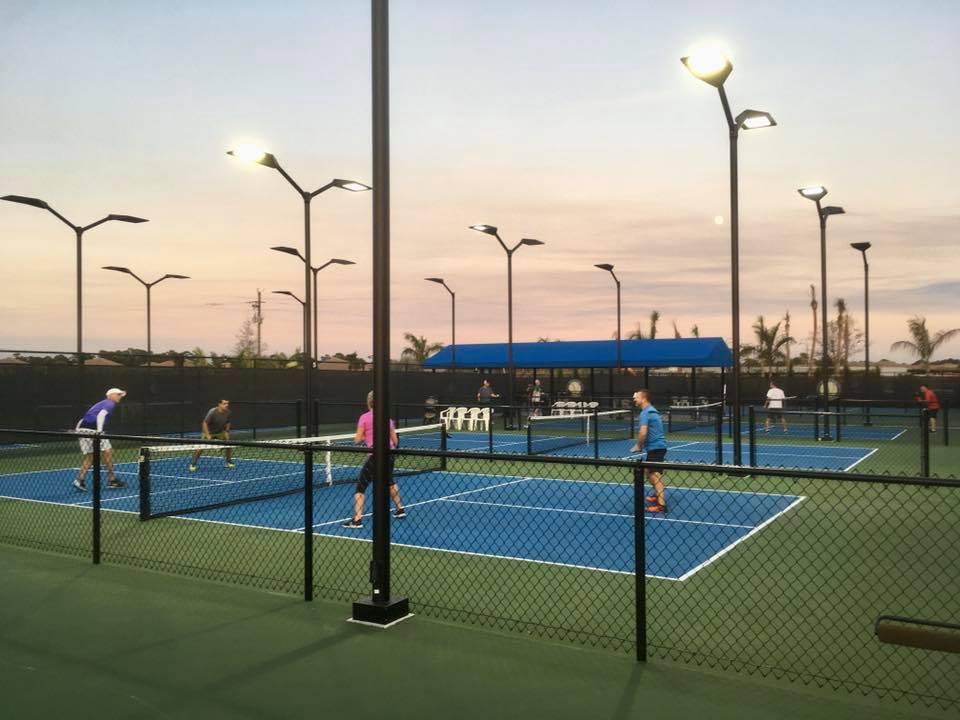
Pickleball court lighting cost Long Island homeowners should expect depends on two-pole versus four-pole layouts, fixture count, trenching, wiring, glare control, and how refined the nighttime play conditions need to be. Oasis Lighting Design prices pickleball lighting around the court and the property.

Layout choices
2-pole vs 4-pole layouts
Fixture planning
Fixture count and light quality
Electrical scope
Trenching and wiring
Comfort in play
Glare control and nighttime usability
Cheap fixtures
Why cheap lights create bad play conditions
Core Sports Pages
Core sports lighting pages in this cluster
Use these pages to move from planning guidance into the main court-lighting service pages for the most common Long Island installations.
Sports Court Lighting Hub
Move back to the main sports lighting hub to compare courts, fields, and support guides across the cluster.
Learn more →Pickleball Court Lighting
Review pickleball-specific pole layout, optics, and residential court planning for Long Island properties.
Learn more →Tennis Court Lighting
Compare tennis court lighting strategies for wider sightlines, taller poles, and longer evening play.
Learn more →Basketball Court Lighting
See how backyard basketball court lighting differs when visibility near the hoop and perimeter matters most.
Learn more →Guide Library
Sports court lighting guide library
Move through the support pages to compare cost, installation, pole layout, spacing, color temperature, maintenance, and broader Long Island planning factors.
Sports Court Lighting Cost
Review the main cost drivers behind sports court lighting, including poles, fixtures, trenching, controls, and the court type.
Learn more →Backyard Sports Court Lighting
See how residential-friendly pole layouts, zoning, timers, and glare control affect backyard pickleball, tennis, and basketball courts.
Learn more →Sports Court Lighting Installation
Understand the installation process from site walk-through and layout planning through trenching, pole mounting, aiming, and final nighttime tuning.
Learn more →Sports Court Lighting Pole Height Guide
Compare pole height, beam spread, fixture aiming, and residential versus commercial layout decisions across the main court types.
Learn more →Sports Court Lighting Spacing and Coverage Guide
See how spacing, beam overlap, and coverage uniformity affect pickleball, tennis, basketball, and backyard court lighting performance.
Learn more →Sports Court Light Pole Guide
Review pole height, material choice, installation methods, and real-world Long Island conditions that affect sports court light poles.
Learn more →Sports Court Light Pole Installation
Follow the Oasis installation process for sports lighting poles, trenching, conduit, fixture mounting, wiring, and nighttime adjustment.
Learn more →Sports Court Color Temperature Guide
Compare warm, neutral, and daylight-style court lighting for residential and recreational Long Island properties.
Learn more →Sports Lighting Maintenance Guide
Learn how coastal air, moisture, winter exposure, and long-term wear affect sports and outdoor lighting systems on Long Island.
Learn more →New York Sports Court Lighting Guide
Review permit considerations, Long Island town and village review issues, coastal conditions, glare control, and planning factors for New York sports lighting projects.
Learn more →Supporting Links
Supporting Long Island lighting pages
These pages connect sports lighting planning to the rest of the property, the demo process, and the estimate workflow.
Landscape Lighting Long Island
Coordinate sports lighting with nearby pathways, patios, planting beds, and the rest of the property.
Learn more →Outdoor Living Long Island
Tie the court or field lighting into patios, pergolas, seating, and wider backyard entertaining zones.
Learn more →Lighting Demo
Review how Oasis Lighting Design approaches after-dark tuning, visibility, and nighttime refinement.
Learn more →Sports Court Free Estimate
Request a detailed estimate for sports lighting design, poles, fixtures, controls, and installation.
Learn more →Contact Oasis Lighting Design
Share the court size, property conditions, and performance goals so the planning can start with real site context.
Learn more →FAQ
Pickleball court lighting cost guide questions answered
These answers cover pickleball court lighting cost Long Island, project scope, glare control, planning, and how the system fits the property.
How much does pickleball court lighting cost on Long Island?
Pickleball court lighting cost on Long Island depends on pole count, fixture quality, trenching distance, glare-control needs, controls, and the overall site layout.
Is a two-pole pickleball lighting layout less expensive than a four-pole layout?
Usually yes, but a two-pole layout is not always the best fit. Four poles often provide better balance and lower glare for residential play.
How many fixtures does a residential pickleball court usually need?
The fixture count depends on the layout, target brightness, and optics. A well-planned system may use fewer premium fixtures or more heads across a broader pole layout depending on the site.
Does trenching add a lot to pickleball lighting cost?
It can. Long wiring runs, difficult routing, and the need to work around patios, landscape features, or other utilities can change the labor significantly.
Does glare control affect the budget?
Yes. Better glare control usually requires better optics, more careful aiming, and sometimes a more refined pole layout, all of which can raise the scope.
Why are cheap pickleball lights usually a bad idea?
Cheap lights often create hot spots, deep shadows, and harsh direct glare, which makes the court less comfortable and less playable at night.
Can you price pickleball court lighting after a site review?
Yes. We usually price the system after reviewing the court location, property layout, electrical access, and the level of nighttime performance you want.
Ready to plan the project?
Book your sports lighting estimate
Tell us about the court or field, how the space is used, and what level of nighttime performance you need. We will map the poles, fixtures, controls, and installation scope around the property.